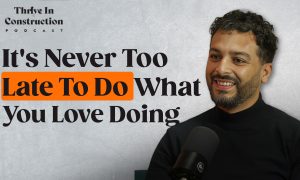

In our latest podcast episode of Thrive in Construction, we explore the multifaceted role of leadership in the construction industry, with a focus on fire safety, compliance, and learning culture. Hosted by industry veterans, this episode provides valuable insights on what defines effective leadership in today’s fast-paced construction world.

The True Role of Construction Leaders
One of the key takeaways from this episode is the understanding that being a CEO or leader is less about the title and more about empowering others. Leadership in construction isn’t just about authority—it’s about becoming a servant leader. A good leader actively works to elevate their team’s capabilities, morale, and overall success. Our discussion challenges the traditional view of leadership and offers fresh perspectives on how leaders can best support their teams.
Building a Learning Culture in the Construction Sector
In the ever-evolving world of construction, continuous learning and adaptation are essential for staying competitive. Our guest emphasises the importance of cultivating a learning culture within organisations, which not only enhances individual growth but also boosts overall company performance. Practical actions for leaders to foster this culture include implementing regular training programmes and encouraging employees to pursue professional development. This approach ensures that the workforce remains skilled and knowledgeable in a rapidly changing industry.
The Grenfell Disaster: Lessons for the Construction Industry
A significant part of the conversation addresses the tragic Grenfell disaster and its lasting impact on fire safety and construction practices. We delve into what the industry can learn from such catastrophes, especially regarding accountability and safety. Our guest discusses how past warnings were ignored and the detrimental role cost-cutting played in compromising safety standards. This part of the episode raises crucial questions about ethical responsibilities and the importance of prioritising safety and compliance over financial savings.
Balancing Compliance with Quality in Construction Projects
The episode also explores the tension between compliance and quality in the construction industry. In many cases, companies opt for cheaper materials or shortcuts, risking the integrity of their work. We share real-life examples of firms choosing alternatives without the necessary certifications, ultimately compromising safety. The conversation encourages the industry to rise above cost-cutting measures that jeopardise the wellbeing of those living and working in constructed spaces. It’s clear: safety and quality must always come first in construction projects.
Leadership Without Formal Qualifications: A Journey of Practical Experience
In a powerful segment, we explore the personal journey of our guest, who built their expertise in the industry without formal qualifications. This serves as a powerful reminder that leadership and expertise can stem from practical experience and a commitment to learning. Young professionals entering the construction industry should embrace every learning opportunity, seek out mentors, and recognise their strengths—whether or not they have a traditional academic background.
Supporting Mental Wellbeing in the Industry
A key aspect of effective leadership is understanding the mental wellbeing of your team. We discuss how leaders can foster a supportive work environment by checking in with their employees, offering support for both personal and professional challenges, and encouraging a culture of openness. This holistic approach to leadership ensures that construction teams are not only productive but also satisfied and mentally healthy, leading to better performance and overall job satisfaction.
Conclusion: True Leadership in Construction
This episode is a must-listen for anyone in a leadership role within the construction industry, especially those focused on fire safety, compliance, and employee wellbeing. We encourage you to reflect on your own leadership practices, challenge industry norms, and prioritise safety, continuous learning, and personal development within your organisation. By embracing these principles, you can make a lasting, positive impact in the construction sector.
Tune in for this enlightening conversation on what it truly means to be a leader in the construction industry and how you can drive positive change in your own team.
In this episode of Thrive in Construction, we delve deep into the timely and essential discourse surrounding sustainability in the built environment. Our focus is on critical themes such as greenwashing, legislative challenges, and the urgent skills gap in the construction industry. One key discussion point is the concept of buildings potentially becoming "toxic assets" if their sustainability credentials fall short of expectations. We explore the potential consequences, particularly in commercial real estate, where outdated facilities could see a decline in value due to uninformed decisions about energy efficiency.
The Impact of Greenwashing and Green Hushing
A major highlight of the episode is the dichotomy between greenwashing and green hushing. Greenwashing refers to companies misleading consumers about their environmental practices, while green-hushing involves companies failing to communicate their sustainability efforts due to fear of scrutiny or accusations of insincerity. This poses a fresh conundrum for the building sector: as stakeholder education on environmentally friendly practices grows, transparency in implementation remains underdeveloped.
Initiatives like the Anti-Greenwash Charter are stepping in to provide proper monitoring frameworks, establishing real and meaningful sustainability standards. This charter represents a significant move towards greater accountability and authenticity in sustainability efforts.
Addressing Societal Inequalities Through Retrofitting
We also tackle the broader ramifications of societal inequalities related to inadequate housing. Alarming statistics reveal that nearly 14% of social housing fails to meet living standards. The discussion underscores retrofitting as not merely an improvement but a necessity, especially for underprivileged communities who deserve safe and energy-efficient homes. The episode critiques the lack of systemic intervention from government and private stakeholders, highlighting how communities are increasingly turning to DIY regeneration efforts.
The Skills Gap in the Construction Industry
Another pressing issue is the skills gap in the construction industry. The conversation questions why vibrant careers in this field remain largely overlooked by younger generations. The hosts express hope for legislative support systems that can rebrand construction as an appealing and energizing profession. They emphasize that emerging green skills should drive forward-thinking initiatives, inspiring not only the current workforce but also future generations to meet today's sustainability challenges.
The Role of Future Build and Low-Carbon Innovations
We also touch on the significance of events like Future Build, which play a pivotal role in connecting innovators with specifiers. These events create spaces for essential dialogue about leading developments in low-carbon materials and retrofitting techniques. The focus has shifted from merely showcasing products to examining how innovations can tangibly influence the built environment in achieving net-zero targets. Storytelling emerges as a powerful tool to cultivate demand for sustainable living, prompting a larger conversation about shifting consumer values.
Call to Action for Community Involvement
Throughout the podcast, listeners are encouraged to envision a transformation in the construction landscape and consider their potential roles—whether through direct action, career choices, or local initiatives. The episode urges individuals and communities to collaborate and amplify messages surrounding sustainability in their local areas.
We invite all stakeholders in the built environment to reflect on how their insights, questions, and collaborations could foster a brighter, greener future for generations to come. By working together, we can make significant strides towards sustainable living and a more resilient built environment.
The construction industry is brimming with opportunities, particularly in the realm of bricklaying, where earnings can far exceed expectations. In our latest podcast episode, we delve into the financial realities of being a young bricklayer. We explore how a determined 16-year-old can rise from modest beginnings to earning as much as £1,000 or more per week. This is more than just a career choice; it's a pathway to financial independence that many overlook.
Despite the wealth of opportunities in bricklaying, misconceptions about this skilled trade abound. Many young individuals miss out on lucrative prospects by failing to recognise the potential within this craft. Our episode features personal stories and insights from industry veterans who attest to the genuine earning potential of bricklaying.
Setting Goals and Building Foundations
Aspiring young bricklayers must set clear goals from the outset. Understanding the necessary steps is vital, beginning with a robust educational foundation. While the requirements have evolved, today’s aspiring tradespeople typically need at least a grade C in English to start their training. Local colleges often offer courses tailored to budding tradesmen and tradeswomen, laying the groundwork for a successful career. These courses cover essential technical skills and crucial health and safety training.
As our episode unfolds, we explore the structure of apprenticeships, which serve as invaluable gateways to earning a solid wage while learning the trade. Apprenticeships not only provide hands-on experience but also a practical route to financial stability.
A Growing Demand for Skilled Bricklayers
The bricklaying industry is currently experiencing a significant shortage of skilled workers. With many seasoned tradespeople retiring and fewer young workers entering the field, the demand for bricklayers has never been higher. Our discussion dismantles the misconception of bricklaying as a dying trade. In reality, the pay can rival other high-paying professions, and the booming construction market underscores the urgent need for new talent.
This shortage is especially crucial in light of the UK’s ambitious housing targets. With plans to construct millions of homes, industry experts ponder the source of the workforce required to meet this demand.
Addressing Industry Challenges
Our conversation also touches on the darker sides of the industry, including workplace accidents and the mental health crises affecting trade workers. Our guest shared a harrowing story about a near-fatal on-site incident that forever changed his life. This poignant story serves as a catalyst for discussing the importance of workplace safety practices. The episode underscores the need for a cultural shift towards accountability and improved safety standards in the construction industry.
Innovative Safety Solutions
We also introduce groundbreaking ideas aimed at enhancing industry safety, particularly through innovative mechanisms designed to prevent wall collapses on construction sites. The discussion highlights how personal tragedy can inspire resilience and lead to significant positive change.
Bricklaying: A Career Full of Opportunity
Listeners are encouraged to not only consider a career in bricklaying but also to engage in important conversations about safety and responsibility in the industry. Bricklaying is more than just a job; it’s a career filled with opportunity, purpose, and potential for innovation. With the right mindset and training, young people can unlock a prosperous and fulfilling future in this skilled trade.
The construction industry stands at the brink of a monumental transformation as sustainability and the circular economy take centre stage. In this enlightening podcast episode, we delve into the evolution from traditional construction practices to the adoption of eco-friendly standards.
The Rising Importance of Carbon Emissions
The discussion begins by emphasising the growing focus on carbon emissions, particularly since 2019. Our guest, an experienced carbon consultant, sheds light on the development of crucial standards that have been instrumental in unifying efforts towards achieving net-zero carbon building goals, fostering an industry-wide shift towards integrated sustainable practices.
The Role of Leti in Promoting Sustainable Practices
A pivotal segment of the podcast is dedicated to the Low Energy Transformation Initiative (Leti). Leti’s accessible and engaging publications have outpaced traditional organisations, catalysing rapid global adoption of sustainable building strategies. A standout case study from King’s Cross demonstrates Leti’s influence, showcasing how carbon assessment insights can significantly shape design strategies. Our guest's contribution to the book "Targeting Zero" further highlights the critical role of effective communication in advancing sustainability advocacy.
Shifting from Linear to Circular Economy in Construction
The podcast explores the philosophical shift from a linear to a circular economy within the construction sector. This transition challenges the traditional mindset that views buildings as finite entities. The circular economy promotes reusability and longevity, urging us to rethink design practices. Despite challenges such as obsolescence, there is a burgeoning belief that circular principles can effectively address sustainability challenges. Additionally, the discussion touches on the marketing sector's role in sustaining a linear model by constantly promoting new products.
The Importance of Planning in Sustainable Construction
The final segment underscores the critical role of meticulous planning in achieving construction success. Effective planning minimises surprises and enhances the likelihood of meeting desired outcomes. The guest shares the satisfaction derived from collaborative idea exchanges that enhance industry practices, underscoring the importance of shared wisdom and collaboration in building a sustainable future.
Key Takeaways and Insights
This podcast episode is a treasure trove of insights, vivid imagery, and practical advice for those interested in the sustainable evolution of the construction industry. It invites listeners to rethink traditional practices and embrace innovative approaches for a greener future. Whether you are a construction professional or simply curious about sustainability, this episode offers valuable perspectives and actionable insights
Conclusion: A Roadmap to a Sustainable Future
The transition to a circular economy is not merely a technical shift but a fundamental change in mindset. By viewing buildings as lasting entities, we can better integrate circular principles into design and construction practices. This episode encourages moving beyond linear thinking to consider the broader environmental implications of our actions.
In conclusion, this podcast episode is essential listening for anyone interested in the future of construction. It provides a comprehensive overview of the challenges and opportunities in embracing sustainability and the circular economy. By exploring Leti's impactful role and the necessary philosophical shift for a circular economy, the episode offers a roadmap for creating a more sustainable and eco-friendly construction industry.
In our latest Thrive in Construction podcast episode, we explore the transformative intersection of sustainability and the built environment, reimagining traditional practices through innovative biodiversity metrics and sustainable strategies. This thought-provoking discussion features Brogan MacDonald, a pioneering engineer challenging industry norms with her insights on integrating ecological considerations into modern construction practices.
Biodiversity Metrics: Beyond Carbon Emissions
Brogan MacDonald discusses the groundbreaking work on developing metrics to measure biodiversity loss, shifting the focus from globally recognised carbon emissions to regional ecological impacts. This innovative approach underscores the importance of balancing economic growth with environmental preservation, proving they can coexist harmoniously.
Circular Economy: From Recycling to Reuse
A major theme of the episode is the circular economy, which champions reuse over recycling to reduce environmental impact. Traditional recycling often results in downcycling, diminishing material value over time. Instead, we advocate for designs that prioritise durability and reuse. For example, the enduring practice of reusing glass milk bottles demonstrates how products can contribute to a genuinely circular economy when designed with sustainability in mind.
We also delve into alternative economic models, such as the ideas presented in Kate Raworth’s Doughnut Economics, which challenge conventional metrics like GDP. These models promote a balanced perspective, considering social and ecological well-being alongside economic growth.
The Power of Storytelling in Climate Action
Storytelling emerges as a powerful tool for fostering climate action. Our guest shares her inspiring journey from traditional STEM outreach to becoming a leading voice on TikTok, engaging younger audiences with relatable messages about sustainability. Her experience shows how compelling narratives can combat climate anxiety and encourage small but impactful changes in daily life.
Emotional Connections in Sustainable Development
Another key topic is the emotional bond between people and their environments—both built and natural. Using case studies like the debate around the Marks and Spencer Marble Arch store, we highlight the cultural significance of iconic buildings and their impact on communities. This perspective calls for a shift towards sustainable urban development that values emotional and cultural connections.
Mentorship and Inclusion in STEM
We celebrate the importance of mentorship and diversity in STEM careers, particularly for women entering the construction industry. Brogan MacDonald’s experiences illustrate the value of inclusive leadership and the need to nurture diverse talent, inspiring the next generation of eco-conscious engineers.
Tackling Challenges in Sustainable Construction
The episode concludes by addressing critical challenges in green construction. While recycling has its place, reducing consumption is a more sustainable path forward. We explore upcoming policies like the Green Claims Directive, which aim to ensure accountability and transparency in sustainability claims, fostering more authentic industry practices.
Listen Now
This episode invites listeners to envision a future where ecological and economic interests align for the well-being of society and the planet. Tune in to gain actionable insights into sustainable construction, the circular economy, and creating a greener future for all. Listen here
In an era where energy efficiency and sustainability are at the forefront of residential construction, our latest podcast episode unpacks the cutting-edge technologies shaping the future of sustainable home heating. We dive into the "Tomorrow Home" initiative, showcasing innovative heating systems and smart home solutions already transforming homes today.
Infrared Heating Systems: A New Standard for Energy Efficiency
A major highlight of this episode is the exploration of infrared and carbon heating technologies. Unlike conventional systems that heat the air, infrared heating directly warms objects, similar to how sunlight heats the earth. This method ensures consistent warmth, preventing energy waste and reducing costs.
These systems go beyond theory—they're being implemented in real homes today, offering a glimpse into what future residential heating will look like.
Smart Home Ecosystems: Revolutionizing Home Management
We also delve into smart home ecosystems, with decentralized systems that allow homeowners to control room temperatures individually via mobile devices. With Wi-Fi-enabled thermostats, unoccupied rooms can be set to frost mode, significantly improving energy efficiency and reducing costs.
Cost-Effective Heating Solutions for Social Housing
The episode also highlights the cost management benefits of zone-based heating systems. In particular house types, nine zones can be controlled independently, helping homeowners and builders to optimise energy use and costs.
Disrupting the Construction Industry: Small Teams, Big Change
Finally, we discuss how a passionate, small team disrupts the construction industry by rethinking supply chain models and forging innovative partnerships. This approach has enabled smaller firms to challenge larger corporations, proving that innovation doesn’t always require massive resources.
As the construction industry continues to innovate, staying informed is essential. This podcast episode offers a glimpse into the future of home heating, featuring cutting-edge technologies that are set to redefine energy efficiency in residential spaces. Whether you're a builder, architect, or developer, the insights from this episode will help you stay ahead of the curve in delivering sustainable, future-ready homes.
Click here to watch the full episode
In the latest episode of our podcast, we explore the complex world of infrastructure with valuable insights from KPMG’s Kevin Masters. This episode dives into strategic approaches to infrastructure projects, offering listeners a unique opportunity to understand how stakeholder engagement and innovative solutions can transform urban living. Kevin’s journey from engineering to becoming a leading advisor on major infrastructure projects highlights the evolution of roles within the sector and the importance of clear communication between the government and the private sector.
From Engineering to Strategic Advisory: Key Takeaways
The episode begins with an in-depth discussion of the transition from engineering to strategic advisory roles in infrastructure projects. Kevin emphasises the significance of defining clear objectives and fostering strong stakeholder engagement right from the start. More efficient and effective infrastructure development can be achieved by addressing communication gaps between the public and private sectors. The episode also highlights common pitfalls, such as the misalignment between strategic goals and public benefits, stressing the need for a well-defined vision.
Affordable Housing: Overcoming Urban Challenges
One critical issue addressed in the episode is the affordable housing challenge in urban areas. Kevin explores how innovative financing and modern construction methods can unlock the value of land previously deemed undevelopable. A metaphor of marriage counselling is used to illustrate the need for open communication among stakeholders, highlighting the importance of aligning short-term objectives with long-term societal benefits. This segment underlines the necessity of collaboration to overcome obstacles and achieve successful, community-benefiting projects.
The Importance of Project Viability and Stakeholder Strengths
The discussion further delves into factors influencing project success, such as project viability and certainty of outcomes. Kevin stresses the importance of realistic budgeting and transparent communication in infrastructure projects. Instead of focusing on competitive pricing, recognising each stakeholder’s strengths and aiming for long-term value creation and societal impact is essential for successful project outcomes.
Managing Risk in Infrastructure Projects
Risk management in infrastructure projects is another pivotal topic. The episode discusses various in-ground risks, such as contamination and hidden utilities, and suggests strategies for mitigating these challenges through strategic partnerships and clear communication. Building strong relationships with clients and supply chain partners ensures a smoother project journey, especially when unforeseen challenges arise.
Innovation and Political Uncertainty: Navigating the Future of Infrastructure
In the face of political uncertainties, the podcast touches on the role of innovation and confidence-building within the infrastructure sector. Kevin encourages leaders to align team capabilities with market demands, reduce environmental impacts, and enhance public access to services. Focusing on core competencies will ensure sustainable project outcomes while maintaining competitive margins and reducing risk.
Diversity and Innovation in Construction
The episode concludes by addressing diversity and innovation within the construction industry. By challenging traditional stereotypes, Kevin highlights how the industry is evolving, embracing advanced technology, robotics, and a greater focus on environmental concerns. A diverse team, with individuals from various backgrounds, fosters innovative solutions and highlights the exciting, rewarding aspects of working in this dynamic sector.
Conclusion: Key Insights into Infrastructure Success
In summary, this episode provides a comprehensive look at the challenges and opportunities within infrastructure projects. By focusing on stakeholder engagement, risk management, and the power of innovative approaches, it offers valuable insights into creating impactful and sustainable infrastructure. Whether you’re an industry expert or simply intrigued by the potential of infrastructure, this episode presents a thought-provoking perspective on how passion, teamwork, and vision can lead to remarkable achievements in urban development.
You can watch the full episode here
In the latest episode of our podcast, we explore the inspiring journey of Tunde Agoro, diving into the worlds of architecture, consultancy, and diversity advocacy. This episode is packed with valuable insights, showcasing how art can ignite passion, sustainability drives positive change, and diversity fosters business success. Whether you are an aspiring architect, a sustainability enthusiast, or a champion of diversity, this episode offers a wealth of knowledge and motivation.
The Power of Art in Architecture: A Pathway to Success
The episode begins with the story of how a dedicated teacher, inspired a young Tunde to follow a path of creativity. Growing up in a family of accountants, Tunde found a unique outlet in art, thanks to his teacher’s encouragement. This passion for creativity became the foundation for a successful career in architecture. The episode highlights the importance of curiosity and growth, especially for first-year architecture students. Staying curious, absorbing knowledge, and nurturing creativity are key ingredients for finding a unique voice in the competitive field of architecture.
ESG Consultancy: Paving the Way to Net Zero
As the conversation evolves, we delve into the importance of Environmental, Social, and Governance (ESG) consultancy. Tunde explores the pivotal role of ESG in guiding organisations towards achieving net-zero carbon commitments. They stress the need to exceed minimum requirements and focus on the power of positivity in storytelling to inspire climate action. By drawing parallels between sustainability consultancy and football management, they illustrate how a positive, aspirational approach can drive meaningful change in the way organisations approach sustainability.
Championing Diversity and Inclusion: Tunde’s Journey
Tunde’s story is particularly powerful, shedding light on his journey as a diversity advocate in the construction industry. Despite facing numerous challenges, including corruption in Nigeria, his resilience and passion for sustainability never wavered. Tunde's commitment to promoting diversity led him back to the UK, where he continued his advocacy. His decision to join the police force in Bristol is a testament to the importance of representation across all sectors of society, showing how diversity in leadership roles can drive positive change.
Mental Health and Career Growth: Viewing Life as Chapters
An important theme in the episode is the mental health challenges faced by young men today. Tunde encourages listeners to view life and careers as a series of chapters, each presenting new opportunities and challenges. By embracing these stages with optimism and resilience, young professionals can navigate the complexities of their careers while maintaining a healthy work-life balance. This perspective offers valuable advice for those facing difficulties, reminding them that each chapter brings fresh growth opportunities.
Diversity: A Key Driver of Business Success
One of the most compelling discussions in the episode is the pivotal role of diversity in business. Tunde argues that true diversity must be measured at the top levels of organisations, advocating for a pyramid structure that ensures diversity is integral to leadership. This approach fosters an inclusive environment, which in turn leads to innovative solutions and sustainable growth. By embracing diversity, businesses can unlock the potential of different perspectives, driving success and fostering creativity.
Tackling the Climate Emergency: Beyond Minimum Requirements
Tunde emphasises the urgent need for small and medium-sized enterprises (SMEs) to go beyond compliance in tackling the climate emergency. Businesses that actively seek to reduce their environmental impact not only contribute to the well-being of the planet but also enhance their reputation and long-term viability. This proactive approach, particularly within the construction and architecture industries, is essential for driving meaningful change in response to the climate crisis.
Personalised Storytelling in ESG Consultancy
Another key takeaway is the importance of personalised storytelling in ESG consultancy. Tunde advocates for a shift away from traditional doom-and-gloom messaging, arguing that connecting with clients on a personal level leads to genuine engagement and inspires proactive climate action. By painting a positive vision of the future, organisations can motivate stakeholders to take meaningful steps towards sustainability, ensuring long-term success and positive environmental outcomes.
Practical Advice for Architects, ESG Consultants, and Diversity Advocates
Throughout the episode, Tunde shares invaluable practical advice for those pursuing careers in architecture, sustainability consultancy, and diversity advocacy. They stress the importance of continuous learning, resilience, and maintaining a positive mindset. Their personal experiences demonstrate that the path to success is often filled with challenges, but these difficulties offer valuable lessons that shape future achievements.
Conclusion: An Episode Rich with Inspiration and Practical Insights
In conclusion, this podcast episode offers a rich tapestry of inspiration, practical advice, and powerful storytelling. Tunde’s journeys highlight the transformative power of art, the critical importance of sustainability, and the essential role of diversity in driving business success. Whether you’re an aspiring architect, a sustainability advocate, or a champion of diversity, this episode provides valuable insights that will help you unlock your career potential and make a positive impact on the world.
Climate change poses an urgent threat to our planet, and innovative technologies are at the forefront of the fight against this global challenge. In a compelling podcast episode, Martin Fahey, Head of Sustainability for Mitsubishi Electric UK and Ireland, shares his journey from a refrigeration engineer to a leader in the realm of sustainability. One of the key topics discussed in the episode is the pivotal role that heat pumps play in reducing carbon emissions and steering society towards a greener future.
The Role of Heat Pumps in Reducing Carbon Emissions
Heat pumps, often described as "refrigerators working in reverse," offer an energy-efficient alternative to traditional gas boilers. These systems utilise the vapour compression cycle to extract heat from the air, even in colder temperatures, making them a sustainable solution for home heating and hot water needs.
The Energy Transition: Moving Away from Fossil Fuels
As the conversation progresses, Martin emphasises the broader energy transition, highlighting the significant shift away from fossil fuels like coal and gas. The UK's journey from coal deliveries to a gas-supplied nation has been transformative, but as science continues to underscore the need for change, the focus now shifts to embracing lower-carbon solutions. Mitsubishi Electric's commitment to this transition, including efforts to reduce embodied carbon in heat pump manufacturing, is a testament to its dedication to sustainability.
Professional Development and the Importance of Trust
The episode also delves into professional development and sales strategies, illustrating how Martin's early experiences shaped his career trajectory. He underscores the importance of practical knowledge, storytelling, and building trust through reliability. This section of the podcast highlights the need for solutions that balance environmental sustainability with reliability and affordability for consumers.
Collaboration: A United Front for Climate Change Mitigation
Collaboration emerges as a recurring theme throughout the episode, heralded as essential for climate change mitigation. The podcast calls for a united front, with manufacturers, contractors, architects, and governments working together to achieve net-zero emissions. Mitsubishi Electric's UK team is actively aligning operations with global sustainability targets, such as net-zero and science-based initiatives. Their collaboration with the Chartered Institute of Building Services Engineers to calculate embodied carbon further exemplifies their commitment to transparency and industry-wide understanding of carbon impacts.
Effective Communication and Policy Engagement
Towards the episode's conclusion, the discussion shifts to the critical role of effective communication, particularly in interactions with policymakers and advisors. The need for equitable and positive changes to ensure a sustainable planet for future generations is stressed, with a call to action for listeners to engage and contribute to the sustainability mission.
Conclusion: Join the Journey Towards a Sustainable Future
This podcast episode is more than just a discussion on technological advancements; it's a narrative of personal growth, corporate responsibility, and the collective effort needed to address the most pressing issue of our time—climate change. As we embark on this journey towards a sustainable future, every action counts and knowledge sharing becomes a powerful tool for change. Join us in this enlightening discussion to learn more about the transformative potential of heat pumps and the critical importance of collaboration in our quest for a greener tomorrow.
Embarking on a career in the energy industry can be daunting, but Amo Sihra's experience serves as a vivid example of how versatility and passion can propel an individual from a grassroots position to a strategic leadership role. His journey is not just a career story; it reflects the ever-changing landscape of energy efficiency and sustainability.
From Energy Assessor to Industry Leader
Amo's career began as an energy assessor, a role initially perceived as a mere formality in property transactions. However, as global awareness of energy consumption grew, the significance of this position evolved. Energy Performance Certificates (EPCs), which Amo dealt with early in his career, transformed from simple checkboxes to pivotal tools for making informed decisions about energy use. Today, EPCs play a crucial role in raising awareness and driving behavioural changes towards sustainability.
Navigating Challenges in the Energy Market
Amo's professional evolution wasn't always straightforward. Starting a business in a fluctuating market presented challenges, but his adaptability and foresight allowed him to rise through the ranks. His story is a beacon for those navigating their career paths, emphasising that with tenacity and a willingness to embrace change, growth is inevitable.
Understanding Energy Efficiency: Asset and Occupancy Ratings
The podcast episode delves deep into the nuances of the energy sector, highlighting the significance of both asset and occupancy ratings in understanding a property's energy profile. This distinction is crucial as it influences how consumers and businesses perceive energy efficiency. Amo articulates these complexities with clarity, providing listeners with a better understanding of how energy assessments inform and guide decisions.
Personal Values Shaping Professional Ethics
Amo’s personal life, especially the influence of his family and role models, has played an integral part in shaping his work ethos. His reflections on the harmonious relationship between his parents, their partnership in business, and the values he imbibed from them resonate in his approach to his role at LMS Energy. These insights offer a rare glimpse into the interplay between personal values and professional ethics.
Elmhurst Energy: Accreditation and Quality Assurance
The podcast also explores Elmhurst Energy's significant strides in accreditation and quality assurance. Amo discusses the ripple effects of these efforts on environmental sustainability and carbon reduction. His commitment to maintaining high standards and making a positive impact aligns with the larger mission of his work, highlighting a collective responsibility towards a sustainable future.
Future Aspirations and Personal Reflections
The conversation then turns to Amo's plans, both personal and professional. His aspirations are deeply intertwined with his dedication to making a difference in the world of energy efficiency. His experiences as a father add a personal touch to the discussion, offering a multifaceted view of his life and career.
Conclusion: A Holistic Approach to Career and Sustainability
In conclusion, Amo's story is not just about career growth; it's a holistic view of how personal values, professional ethics, and a commitment to sustainability can intertwine to shape a fulfilling and impactful career. The episode leaves listeners with a wealth of knowledge and inspiration to contribute positively to their fields, fostering a sense of community and shared responsibility.
A Roadmap for Impact in the Energy Sector
In a world grappling with climate change and energy crises, Amo's story is a beacon of hope and a roadmap for anyone looking to make a meaningful impact through their career. It’s a testament to the fact that with the right mix of passion, adaptability, and a clear vision, one can succeed in the ever-evolving energy sector.