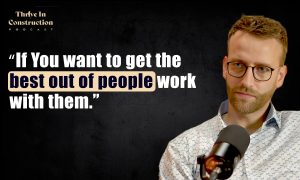

In the latest episode of Thrive in Construction, Peter Kelly, Group Director of Sustainable Operations at ISG, took us through his remarkable journey in the construction industry, highlighting his transition from hands-on work on construction sites to a leadership role focused on sustainable construction. His story showcases how a commitment to eco-friendly practices can transform a career and drive significant global impact.
From Concrete Labourer to Sustainability Advocate
Peter's career began with a role as a labourer for a concrete contractor, where he gained a deep understanding of the tangible aspects of construction. It was during this period that he developed a passion for the environment and recognised the construction industry's potential to influence it positively. His insights into sustainability in construction are grounded in these early experiences, bridging the gap between physical labour and environmental stewardship.
The Impact of Travel and Cultural Exposure on Sustainability
As Peter shared his journey, he emphasized the importance of travel and cultural exposure in shaping his approach to sustainability. His time spent in culturally rich countries like India and Nepal expanded his understanding of environmental management. These experiences highlighted the need for a holistic approach to sustainability, where knowledge of different cultures and environments is crucial in crafting effective global solutions.
Navigating the Challenges of Sustainable Construction
Throughout the episode, Peter discussed the challenges of integrating sustainability into an industry known for its robust personalities and traditional practices. He highlighted the importance of passion and soft skills in navigating and influencing this dynamic field. By focusing on inclusion and team dynamics, Peter illustrated how a collaborative approach can drive meaningful change in environmentally conscious building practices.
Embracing the Circular Economy in Construction
A key theme of the conversation was the rise of the circular economy in the construction sector. Peter expressed his enthusiasm for circularity, which focuses on reusing materials to maintain their value and minimise waste. He provided practical examples, such as the repurposing of materials like steel, raised access floor panels, and partitioning systems. However, he also acknowledged the logistical and marketplace challenges professionals face in making circularity a reality.
Debunking Myths: The Cost of Sustainable Construction
The podcast also addressed common misconceptions about the cost of sustainable construction. Peter debunked the myth that sustainability always comes with a higher price tag, explaining that early integration of sustainable design can align with standard construction costs. He cited projects like the Cambridge Institute of Sustainability Leadership as examples of how green solutions can be both innovative and cost-effective when experts are involved from the start.
A Blueprint for Sustainable Construction Careers
As we wrapped up the episode, Peter’s story stood out as a beacon for those looking to contribute to the growing field of sustainable construction. His insights into the evolution of environmental management within the construction industry provide listeners with a blueprint for integrating sustainability into their professional pursuits. Peter’s journey from laying concrete to shaping green policies exemplifies the potential for personal growth and the profound impact one can have on creating a more sustainable future in the construction industry.
For listeners interested in sustainable construction and the power of the circular economy, sharing this podcast episode is a powerful way to spread knowledge and inspire others. By disseminating these discussions, we can continue to build a community of environmentally conscious professionals and enthusiasts eager to make a difference in their respective fields.
For the full episode click below:

Navigating the intricate world of construction and sustainability can be daunting, but Jack Brayshaw of Vistri Group has turned it into a journey of resilience, innovation, and personal growth. In the latest podcast episode, Jack shares his inspiring story, revealing the perseverance required to rise through the ranks while adapting to life’s surprises, such as becoming a father.
Overcoming Early Challenges: The Beginning of Jack Brayshaw's Journey
Jack’s narrative begins with a pivotal moment: facing a challenging building surveying exam just as he learns about his fiancée's pregnancy. This marked the start of both a profound personal and professional evolution. Relocating to Watford on a graduate salary brought financial challenges, but Jack’s tenacity helped him navigate his role at Vistri Group. He has since steered the company through the volatile waters of technical sustainability and evolving building regulations.
The Importance of Multi-Faceted Intelligence in Construction
The podcast delves into the significance of multi-faceted intelligence in the construction industry. It's not just about technical expertise; interpersonal connections, collaboration, and creative problem-solving are crucial for driving innovation and completing projects. Jack’s belief in himself, combined with the unwavering support of his family, empowered him to transition from the Building Research Establishment (BRE) to achieving a healthier work-life balance while making a significant impact in the industry.
Pushing Boundaries in Sustainable Construction
During his time at BRE, Jack was involved in a unique blend of research, consultancy, and innovation. This experience laid the foundation for his roles at Barrett Homes, where he pushed the boundaries of technical innovation in construction amidst challenges like skill shortages and inflation. The episode also explores the evolving nature of building regulations, particularly Part L, which has become a cornerstone of Jack's professional practice.
Embracing Innovative Construction Techniques
Jack shares insights into innovative construction techniques, such as modern heat pump systems paired with infrared heating, and the potential of solar panels to reduce carbon emissions and energy costs. The conversation also addresses the challenges facing the bricklaying industry, including an ageing workforce and skill shortages. Jack highlights innovative solutions like brick slip systems and a novel roofing solution designed for rapid installation.
Navigating Building Regulations and Industry Challenges
The podcast doesn't shy away from discussing the hurdles that housebuilders face today. Jack outlines the delicate balance needed to navigate building regulations for better insulation and air tightness without causing unintended consequences. He emphasizes the importance of industry collaboration through forums like the Future Homes Hub and NHBC, which have been instrumental in addressing these issues.
Alternative Pathways to Success in the Construction Industry
Jack also debunks the myth that university is the only path to a successful career in building. He promotes alternative avenues such as apprenticeships and sponsored degrees that offer on-the-job experience without the financial burden of student debt. These routes provide aspiring professionals with practical knowledge and the opportunity to avoid significant student loans.
This podcast episode is a testament to the power of determination and the impact of innovative thinking in the building sector. Jack Brayshaw’s story is rich with insights for aspiring professionals, industry veterans, and anyone interested in the future of eco-friendly and cost-effective building solutions.
To watch the whole episode click below:

The construction industry stands on the brink of a transformative era, a time defined not just by building structures but by the visionaries who dare to imagine and construct a more sustainable and equitable future. In a recent episode of the Thrive In Construction podcast, we had the privilege of hosting Scott Tacchi, the Head of Modern Methods of Construction at Sir Robert McAlpine. His journey from a structural engineering apprentice to a leader in sustainable school construction offers a rare glimpse into the heartbeat of an industry often misunderstood and undervalued.
Scott Tacchi’s Inspirational Journey
Scott Tacchi's story is as compelling as it is instructive. It’s the narrative of an individual inspired by a familial legacy and guided by mentors, growing to understand the profound impact of construction on societal well-being. He passionately advocates for uplifting the industry’s image, aiming to instil a sense of pride and prestige akin to that found in European countries. Through his journey, Scott highlights the diversity of roles within the construction industry—from quantity surveying to project management—showcasing an industry rich with opportunities for both men and women.
The Role of Sustainability in Modern Construction
A significant portion of the conversation centres around the UK government’s substantial investment in eco-friendly school buildings. Scott outlines the pivotal role that sustainability now plays within the construction sector, noting how environmental considerations have become integral to the industry's future. Despite challenges like economic hyperinflation and the COVID-19 pandemic, he underscores the importance of collaborative procurement strategies and the positive strides industry leaders are making toward sustainable construction.
Challenges and Opportunities in Construction Innovation
Scott Tacchi doesn’t shy away from critiquing the industry’s reluctance to invest in research and development, which has hampered productivity. He strongly advocates for a paradigm shift that includes early engagement with design teams to enhance productivity and, ultimately, improve project outcomes. His efforts to push for productivity improvements at Sir Robert McAlpine by challenging conventional project delivery methods serve as a blueprint for others in the industry to follow.
Shaping the Future of Healthcare Construction
Looking to the future, Scott champions the need for a cultural and mindset shift within the industry, particularly concerning healthcare construction programs. He envisions a future where the construction process is collaborative from the outset, leading to better patient outcomes and improved building performance. Scott promotes moving away from conflict-based contractual mechanisms in favour of cooperative models that emphasize the role of consultancies in early project stages.
A Call to Action for the Industry
Scott’s parting challenge, “think differently and do it better,” serves as a powerful call to action for all industry stakeholders. This episode is not just a recounting of one man’s career but an invigorating discussion that acts as a catalyst for change within the construction industry. By advocating for gender equality, pushing for sustainability, and calling for innovation, Scott Tacchi's story inspires us all to be part of the change and contribute to building a better future—one innovative step at a time.
To listen to the full episode click below:
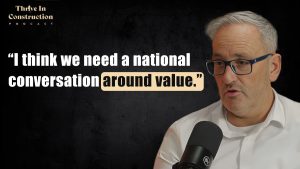
The construction industry stands at a critical juncture where tradition meets innovation, and sustainability is no longer just a buzzword - it's a necessity. Leading this transformation is Anna Foden, a figure whose unique journey from the ice rink to the boardroom symbolizes the potential for change within even the most resource-intensive sectors. Her story is not just about a career shift; it represents a broader movement towards sustainable practices in construction, an industry traditionally dominated by steel, concrete, and hard hats.
From Figure Skating to Construction Leadership
Anna Foden, currently the Head of Sustainability at ISG, a leading construction firm, is a prime example of resilience and adaptability - traits she developed as a professional figure skater. Her transition into architecture and ultimately into sustainable construction was fueled by a deep curiosity and a desire to make a tangible impact. This career evolution underscores the importance of passion and determination in driving change, offering valuable lessons for professionals across all industries.
Leading Sustainability Initiatives in the Construction Industry
On the Thrive in Construction podcast, Anna discusses the intricacies of spearheading sustainability initiatives within the construction sector. She emphasizes the importance of not just complying with environmental regulations but actively pursuing sustainability certifications such as BREEAM and LEED. By sharing her journey from an architecture student to a leader in sustainable construction, Anna provides a roadmap for others looking to make a similar impact in their fields.
Athletic Discipline Meets Sustainable Construction
One of the most enlightening aspects of Anna’s story is the connection she draws between the discipline required in athletics and the meticulous demands of sustainable construction. The podcast explores how skills like grace under pressure, receptiveness to feedback, and public speaking are surprisingly relevant to her role in leading green construction projects. These insights are valuable not only personally but also for the broader industry, inspiring the next generation to integrate sustainable values into their careers.
The Role of Building Usage in Sustainable Practices
Anna also highlights the importance of understanding building usage in the context of sustainability. The podcast stresses that businesses and individuals need to reassess occupancy patterns, especially with the rise of flexible working arrangements, to achieve a more sustainable built environment. By optimizing how spaces are used, significant strides can be made in reducing the ecological footprint of buildings.
Cultural Perspectives on Sustainability: A Transatlantic View
The episode delves into the cultural differences between American and British approaches to business and sustainability, adding a rich layer to the conversation. It challenges the notion that sustainability is solely the responsibility of a dedicated team, emphasising the need for a collective effort across all levels of an organisation. Anna’s experience serves as a powerful reminder that sustainable innovation requires a united front.
In conclusion, Anna Foden’s journey is an inspiring narrative of personal growth and career transformation and a blueprint for how industries can evolve to embrace sustainability. Her story demonstrates that with the right mindset and dedication, it's possible to construct a future where eco-friendly practices are as fundamental to the industry as the materials used to build it. The podcast invites listeners to reflect on how they can contribute to this sustainable future, ensuring that eco-consciousness becomes the foundation upon which we build not just structures, but lasting legacies.
To listen to the full episode click below:
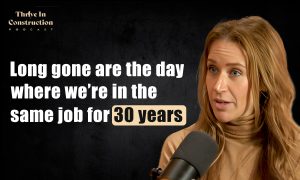
In a recent episode of the Thrive in Construction podcast, we had the privilege of hosting Romain Rishali, a leading figure from Bouygues, to discuss the critical role of climate responsibility within the UK construction industry. This episode was more than just a conversation—it was a deep dive into Rishali's transformative journey from engineering to environmental management, showcasing how personal aspirations can seamlessly merge with corporate strategies to drive sustainable progress.
The Power of Alignment in Personal and Professional Life
The discussion opened with a focus on the concept of alignment in both personal and professional spheres. Rishali emphasised that alignment is not just a buzzword but a crucial component of finding fulfilment in our careers. In the context of the construction industry, where the impact of one's work can extend far beyond the completion of a building project, this notion is particularly relevant. Rishali's reflections on vulnerability, embracing discomfort, and the influence of childhood experiences on adult values offered profound insights, reminding us that our formative years often set the compass for our future pursuits.
Romain Rishali’s Role in Driving Sustainability at Bouygues
At Bouygues, Rishali plays a pivotal role in overseeing the company's climate and environmental strategies. He highlighted how sustainability has evolved at the board level, transitioning from a sub-stream to a core strategy in recent years. This shift reflects the growing urgency of the climate crisis and the need for concerted action across all levels of the industry. Rishali stressed the importance of rallying a team around a shared vision and offered invaluable advice to aspiring professionals on achieving influence in the realm of sustainability and climate responsibility.
Tackling Carbon Emissions: Operational vs. Embodied Carbon
The podcast also delved into the crucial topic of carbon emissions, distinguishing between operational carbon and embodied carbon. While the conversation was rich with technical insights, it also emphasised the financial motivations behind energy-efficient construction. Rishali and the host discussed the pivotal roles that architects and design managers play in integrating environmental objectives into their work, highlighting how clients can steer industry practices towards greener horizons.
Expertise in Carbon Reduction and Sustainable Practices
Throughout the episode, Rishali's expertise in carbon reduction, energy efficiency, and broader sustainability aspects such as biodiversity, materials, waste, and water management took centre stage. He advocated for actionable steps over bottom-line figures, calling for transparency in methodology and sharing best practices to advance the industry as a whole. The discussion on internal processes for evaluating sustainability efforts also pointed to the potential for setting industry standards.
The Satisfaction of Ethical Decision-Making
As the episode concluded, the focus shifted to the personal satisfaction that comes from making ethically sound decisions. Rishali underscored the importance of resilience and adaptability in the face of business challenges, emphasising that voicing concerns within a company can lead to meaningful change. Aligning with one's values and purpose not only benefits the business but also brings fulfilment to the individual.
Conclusion: A Call to Action for Sustainability in Construction
This episode serves as both a compass for professionals navigating the complexities of sustainability and climate responsibility in construction and a call to action for anyone looking to make a positive impact in their field. It stands as a testament to the fact that with the right alignment of vision and purpose, significant strides can be made toward crafting a sustainable legacy in the construction industry.
To watch the full episode click below
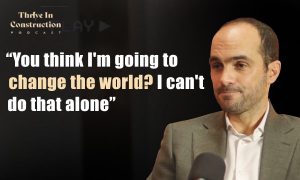
On Thrive In Construction Jess Rivnak, a leading figure from the Royal Institute of British Architects (RIBA), explores the critical intersection of sustainability and architecture. As the realities of climate change become more apparent, the need to adapt our built environment for sustainability is more urgent than ever. Rivnak shares her journey from a young environmental activist to a prominent advocate for sustainable architecture, offering invaluable insights into how the industry is evolving.
The Shift Towards Sustainable Architectural Design
Rivnak discusses how sustainability has evolved from being a secondary concern to a fundamental aspect of architectural design. She emphasizes the role of high-profile environmental reports and influential figures in catalyzing public and professional discourse on climate change. With collaborations and grassroots movements playing a crucial role in this progress, Rivnak highlights the collective efforts within the industry, including her work advising on RIBA's sustainability agenda.
The Future of Architecture: Carbon Reduction and Collaboration
Addressing the necessity of a paradigm shift in architecture, Rivnak envisions a future where architects prioritize the reduction of carbon emissions. She advocates for a collaborative approach that focuses on retrofitting and creatively reusing existing structures, rather than relying solely on new builds. Rivnak also touches on the power of behaviour change, explaining how architects can influence sustainable consumption habits. She explores innovative solutions like material passports, digital twins, and intuitive controls in building design to enhance the interaction between people and their environment.
Overcoming Challenges in Sustainable Building Design
Rivnak sheds light on the challenges in sustainable building design, particularly the need for buildings to be long-life and 'loose-fit', capable of adapting over time while maintaining sustainability. She discusses the importance of material selection, using bamboo as an example of a sustainable alternative to steel, and explains how such choices can have global implications.
The Built Environment Carbon Database: A Game-Changer for the Industry
One of the most exciting topics covered in this episode is the Built Environment Carbon Database, a groundbreaking tool for the industry. This database is key to establishing new net-zero carbon standards and facilitates evidence-gathering for sustainable building practices. Rivnak highlights how this initiative promotes a culture of accountability and collaboration within the architectural profession.
Addressing the Psychological Impact of Climate Change
As the episode concludes, Rivnak and the host discuss the psychological impact of climate change on mental health, especially among youth and professionals in the built environment. They emphasize the importance of fostering a sense of agency and community to combat feelings of helplessness, advocating for positive action and sustainable work-life balance.
In summary, Jess Rivnak’s insights in this episode serve as a beacon for change, inspiring listeners to join the conversation and contribute to building a sustainable future. As we move forward, it is clear that embracing sustainable design principles will shape the legacy of architecture for generations to come.
To watch the full episode click the link below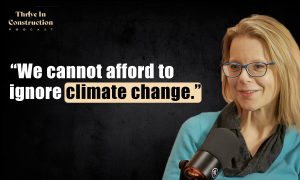
In the latest episode of Thrive In Construction, we engage in an enlightening conversation with Dan McPherson of Henry Riley, a charismatic leader whose career has been as much about constructing buildings as it has been about fostering a more inclusive and empathetic construction industry. Dan takes us on a journey that starts with the smell of sawdust in his grandfather's carpentry workshop, delves into the complexities of mental health in construction, and arrives at the forefront of sustainable practices.
The Mental Health Crisis in the Construction Industry
The construction industry, often seen as rugged and stoic, conceals a vulnerable side where mental health issues are prevalent. Dan shares a sobering statistic: two construction workers take their own lives each day—a reality that underscores the urgent need for change. This revelation sets the stage for a discussion on the importance of resilience and adaptability in an era where artificial intelligence is reshaping the workforce.
Embracing Neurodiversity: A Personal and Professional Journey
On a more personal note, Dan opens up about his own experience with neurodiversity. Sparked by his wife's observation, Dan discovered ADHD within his family, leading to a deeper understanding of the challenges and strengths that come with it. He emphasizes the importance of creating nurturing environments that value happiness over conventional success, using his children's fascination with Minecraft as an example of untapped potential in neurodiverse individuals—possibly paving the way for a future in construction.
Henry Riley’s Innovative Approach to Sustainability
Transitioning back to industry talk, Dan introduces Henry Riley’s innovative carbon measurement software, a tool designed to align with upcoming carbon reporting mandates. This software offers a comprehensive approach to accounting for embodied carbon in building materials, playing a crucial role in the push for sustainability and accountability in construction practices.
The Power of Kindness and Connection
As the conversation wraps up, Dan leaves us with simple and profound advice: kindness is transformative. By fostering genuine connections, we can create ripples of positive change in both our industries and personal lives. This conversation isn't just an exchange of ideas; it’s an invitation to build a community that champions tangible, positive impacts.
In conclusion, this episode is more than a spotlight on an individual's career—it’s a call to action for empathy, understanding, and innovation in the construction industry. As Dan McPherson’s story reminds us, at the core of every industry are human beings with unique challenges and strengths, all striving to leave a meaningful mark on the world they help build. This is the time to revolutionize not just the physical structures of construction, but its cultural foundations as well.