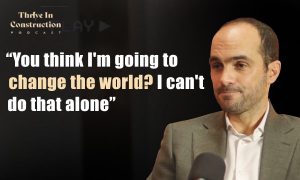
In a recent episode of the Thrive in Construction podcast, we had the privilege of hosting Romain Rishali, a leading figure from Bouygues, to discuss the critical role of climate responsibility within the UK construction industry. This episode was more than just a conversation—it was a deep dive into Rishali's transformative journey from engineering to environmental management, showcasing how personal aspirations can seamlessly merge with corporate strategies to drive sustainable progress.
The discussion opened with a focus on the concept of alignment in both personal and professional spheres. Rishali emphasised that alignment is not just a buzzword but a crucial component of finding fulfilment in our careers. In the context of the construction industry, where the impact of one's work can extend far beyond the completion of a building project, this notion is particularly relevant. Rishali's reflections on vulnerability, embracing discomfort, and the influence of childhood experiences on adult values offered profound insights, reminding us that our formative years often set the compass for our future pursuits.
At Bouygues, Rishali plays a pivotal role in overseeing the company's climate and environmental strategies. He highlighted how sustainability has evolved at the board level, transitioning from a sub-stream to a core strategy in recent years. This shift reflects the growing urgency of the climate crisis and the need for concerted action across all levels of the industry. Rishali stressed the importance of rallying a team around a shared vision and offered invaluable advice to aspiring professionals on achieving influence in the realm of sustainability and climate responsibility.
The podcast also delved into the crucial topic of carbon emissions, distinguishing between operational carbon and embodied carbon. While the conversation was rich with technical insights, it also emphasised the financial motivations behind energy-efficient construction. Rishali and the host discussed the pivotal roles that architects and design managers play in integrating environmental objectives into their work, highlighting how clients can steer industry practices towards greener horizons.
Throughout the episode, Rishali's expertise in carbon reduction, energy efficiency, and broader sustainability aspects such as biodiversity, materials, waste, and water management took centre stage. He advocated for actionable steps over bottom-line figures, calling for transparency in methodology and sharing best practices to advance the industry as a whole. The discussion on internal processes for evaluating sustainability efforts also pointed to the potential for setting industry standards.
As the episode concluded, the focus shifted to the personal satisfaction that comes from making ethically sound decisions. Rishali underscored the importance of resilience and adaptability in the face of business challenges, emphasising that voicing concerns within a company can lead to meaningful change. Aligning with one's values and purpose not only benefits the business but also brings fulfilment to the individual.
This episode serves as both a compass for professionals navigating the complexities of sustainability and climate responsibility in construction and a call to action for anyone looking to make a positive impact in their field. It stands as a testament to the fact that with the right alignment of vision and purpose, significant strides can be made toward crafting a sustainable legacy in the construction industry.
To watch the full episode click below