Construction workers are nearly four times more likely to die by suicide than the national average. In an industry where deadlines and budgets dominate, mental health in construction has become one of the biggest risks to the workforce, and one we can no longer ignore.
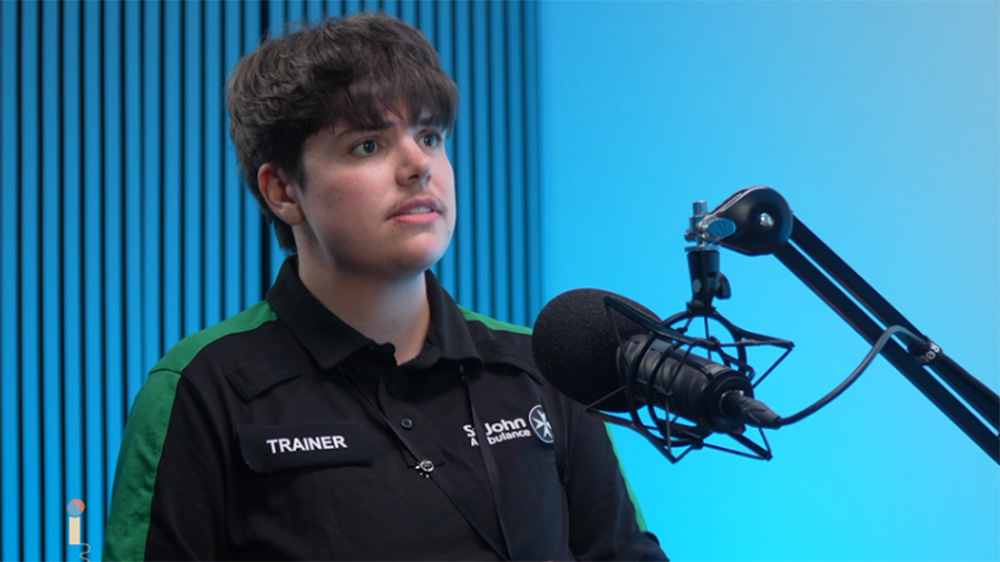
St John Ambulance’s Vee Holt shares how construction leaders can spot early signs, use active listening, and normalise support for wellbeing. This Thrive In Construction episode offers practical strategies for tackling poor mental health in construction and building safer, more resilient teams.
🎧 Listen to the full episode here → Mental Health & Leadership in Construction: Vee Holt on Real Support

The construction industry is fast-paced, high-pressure, and traditionally resistant to conversations about wellbeing. Yet the data is clear: mental health in construction affects safety, productivity, and retention just as much as physical risks.
“Most of us have bad days. You don’t need to be at a crisis point to deserve support.” — Vee Holt, St John Ambulance
High-pressure environments: long hours, tight deadlines, financial uncertainty.
Cultural stigma: the “tough guy” mentality prevents many from speaking up.
Transient workforces: subcontracting makes consistent support harder.
Masking struggles: workers may appear fine while silently battling poor mental health.
These factors make supporting mental health in construction uniquely complex, but not impossible.

For site managers, directors, and supervisors, the question is: how do we move beyond awareness to action?
Create safe spaces: normalise conversations in toolbox talks.
Train supervisors: give managers tools to recognise early warning signs.
Promote resources: signpost to Mind, Samaritans, or NHS 111 mental health line.
Lead by example: leaders sharing their own challenges helps break stigma.
Embed wellbeing: integrate mental health into health and safety frameworks.
Vee recommends three simple but powerful practices that anyone can use:
Daily reflection: write down three things that went well.
Movement & outdoors: aim for 30 minutes outside daily.
Connection: spend time with people you value, or purposeful solo activities.
These habits are the building blocks of sustainable mental health in construction.

Managers often feel pressured to “fix” problems. Vee’s advice? Focus on serving, not solving.
Use the 80/20 rule: let them speak 80% of the time.
Ask open-ended questions and paraphrase to show understanding.
Avoid making it about yourself unless asked.
Don’t shy away from asking directly: “Are you feeling suicidal?”
A workforce in crisis cannot deliver the innovation, collaboration, or quality needed for net zero projects. Mental health in construction is not a side issue, it’s central to resilience, performance, and sustainable delivery.
This is the kind of work we support at Darren Evans Ltd. If this resonates with your challenges, let’s talk.
Suicide risk in construction demands urgent attention.
Stigma and silence are barriers to effective support.
Active listening and signposting are vital manager skills.
Daily habits build long-term resilience.
Healthy teams are essential for delivering net zero.
The future of the industry depends on more than just carbon targets. Supporting mental health in construction means embedding wellbeing into culture, leadership, and project delivery.
At Darren Evans Ltd, we help organisations align sustainability with people strategies so that teams and projects thrive.
Here are some valuable starting points mentioned by Vee:
Looking for a partner to help you build a thriving, resilient organisation?
📘 Learn how we help organisations take their next step toward net zero
If this episode resonated with you or raised questions about how your organisation supports mental wellbeing: