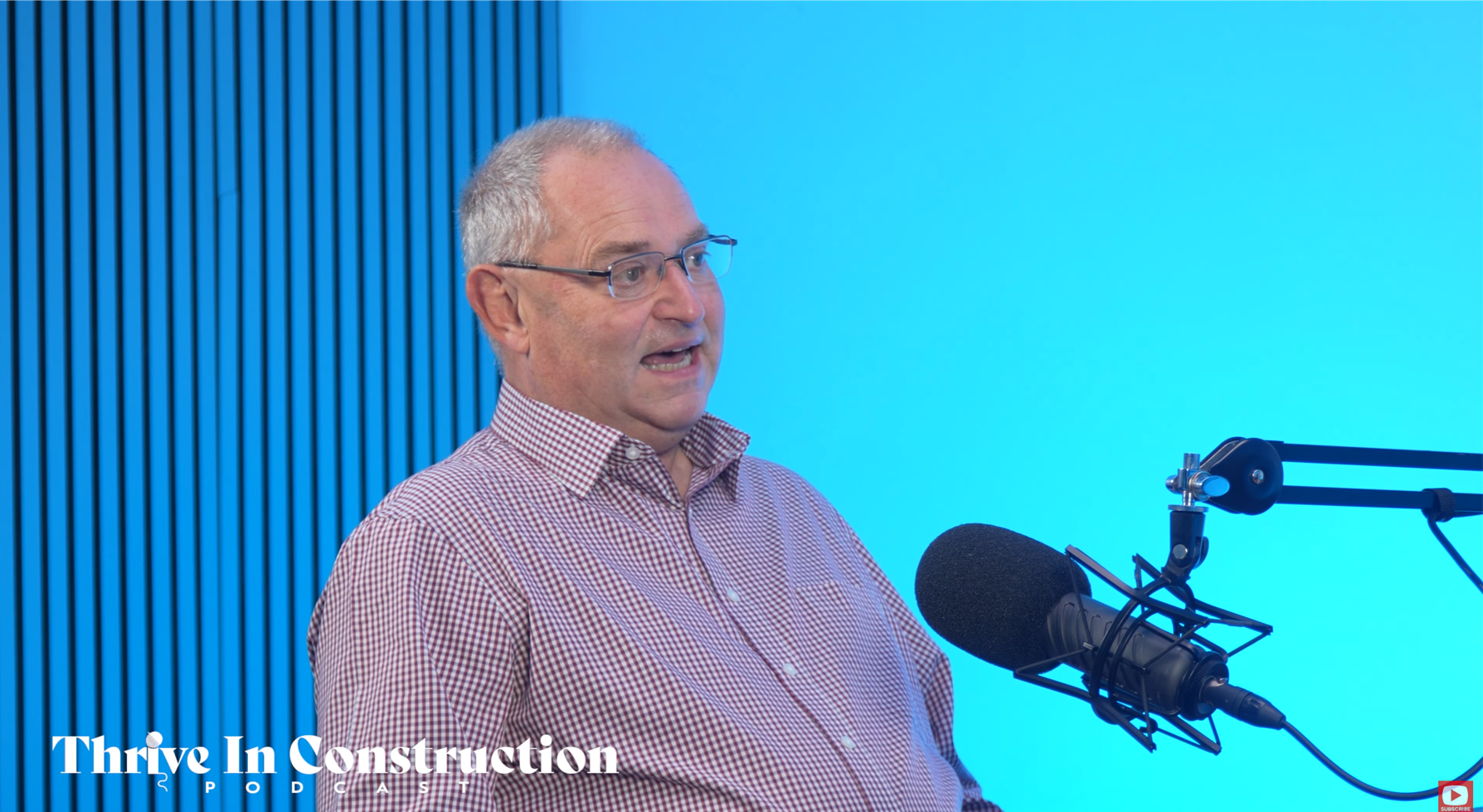
Happy Days’ Development Director Kevin Higgs explains how nursery design balances safeguarding, learning and sustainability: from free-flow layouts and transport-first locations to BMS controls and “last-person-out” switches. The message: optimise buildings for outcomes, not just specs, and involve educators early to make better decisions, faster.
Kevin’s north star is simple: children first. He reframes compliance as care—safety and safeguarding, not box-ticking and shows how nursery design decisions should serve teaching, staff wellbeing and energy performance together. As he puts it: “We’re not babysitting; we’re educating.”
“Safety’s got to be the priority… We’re looking after the most precious thing most people have.” — Kevin Higgs
If buildings are optimised only for capex or minimum standards, you miss the real goal: comfortable, resilient spaces that support learning. Nursery design must account for free-flow play (doors opening often), controllable heating/cooling, materials at child height, and staff-friendly operations.
4 practical takeaways
Free-flow is non-negotiable; design controls around it (door sensors + BMS that pause HVAC when open).
Prioritise the user’s eye-level: edges, sills and transitions matter in nursery design.
Engineer simple behaviour cues e.g., a single “last-person-out” switch that shuts non-essential loads.
Put nature in the curriculum path: move bug hotels, planters and veg beds to the children’s side.
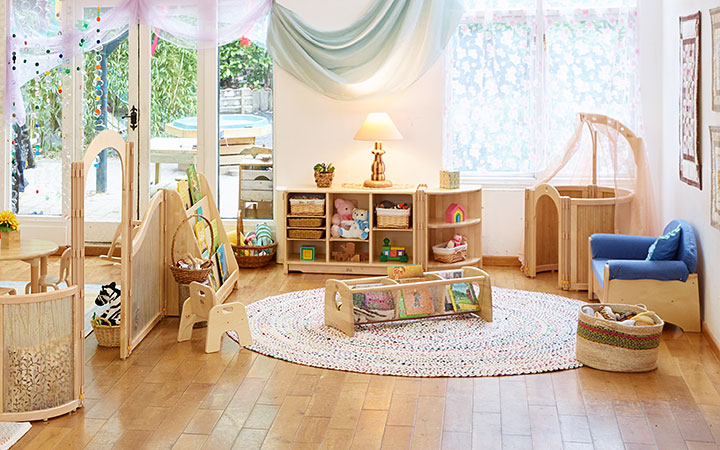
Location sets the tone. In nursery design, Kevin starts with access for all modes. Walking, buses, and cycling, not just cars. Multi-modal access helps recruitment and operations, and it supports families who don’t drive. From there, plan rooms so managers can oversee activity and respond quickly.
Outdoor–indoor movement is essential to early years. The nursery design response is layered: educate teams (“shut the door when you can”), add soft barriers (light refrigerator-style curtains), and use smart controls. Kevin is trialling BMS logic so heating/cooling pauses the moment doors open.
In nursery design, think at toddler height: blunt corners, protected sills, robust gate latches, and seamless floor transitions. Avoid façade features at head height (e.g., string courses that jut out). These “tiny” details prevent incidents and keep settings open and calm.
Two standouts: electric heat/cool systems (to avoid dual gas + AC) and a simple “last-person-out” master switch. In nursery design, those choices cut waste overnight, reduce bills, and give staff confidence that everything non-essential is off after closing.
Put biodiversity where children can see it. In nursery design, site bug hotels and planters on the play side; integrate veg beds and forest-school strips. That turns ESG from paperwork into practice and supports eco-schools curricula without “preaching.”
Listen early, iterate often, and size the team to the client. In nursery design, Kevin prizes partners who adapt the spec to educational reality e.g., finishing rough retaining walls safely, re-planning gardens for supervision lines, and aligning MEP with daily rhythms.
From early feasibility to handover, we help clients align educational outcomes with performance targets so value survives “value engineering.” We stress-test briefs, model controls strategies and coordinate teams so nursery design choices deliver safety, comfort and lower carbon.
This is the kind of work we support at Darren Evans Ltd. If this resonates with your challenges, let’s talk.
A new-build near Hedge End (Boorley Park) is nearing completion, with fit-out focused on safe surfaces, forest-school provision and operable controls, another real-world testbed for outcome-led nursery design.
The opportunity is clear: when we design for children’s outcomes first, nursery design naturally becomes safer, smarter and more sustainable.