Building performance measurement is not a buzzword; it’s how Luke Smith’s team turns claims into proof. From Pulse airtightness to Smart HTC, Luke shows how simple tests during build, and quick sign-off in occupied homes, close gaps, de-risk retrofit and help clients sleep at night.
In Luke’s words: measure more, earlier. Building performance measurement gives developers, contractors and housing providers the same thing parents want from a nursery: confidence the environment really works.
“Only by measuring do you close that feedback loop… our mission is to make measurement mainstream.” — Luke Smith
Without building performance measurement, designs drift and fixes get hidden behind finishes. With it, teams catch leaks at first fix, right-size heat pumps, and present lenders with numbers that stand up to scrutiny.
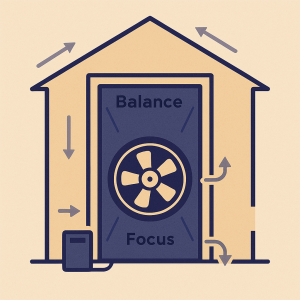
Pulse is a seconds-long compliance check, ideal for occupied homes, while blower-door remains the gold-standard for leak hunting. Together, they make building performance measurement faster and more practical on site.
HTC testing wraps up air leakage, thermal bridges and U-values into one number. It anchors in outcomes clients can trust.
Treating testing as a tick-box at handover. Real building performance measurement happens at intermediate stages: window-fan checks after critical trades, plus a final sign-off that verifies the brochure claim.
Add an interim airtightness check to your current site.
Commission HTC on a finished block.
Build a light plan into 2026 specs who tests, when, and what “pass” means.
Run interim airtightness + HTC, record results, fix root causes before finishes. That’s quality control, not theatre.
Pulse: charge, press, result in seconds. Fold it into your building performance measurement routine for occupied homes.
Present clear before/after metrics from building performance measurement: airtightness, HTC and a short note on actions taken. Credibility beats slides.
Make building performance measurement normal: test early, test often.
Use Pulse for fast sign-off; blower-door for diagnostics.
HTC gives the whole-fabric number clients understand.
Measurement-led delivery, collaboration and future-readiness. This is the kind of work we support at Darren Evans Ltd. If this resonates with your challenges, let’s talk.
In a world of claims, building performance measurement is how you prove performance and protect outcomes.